Substrate moisture-content-testing
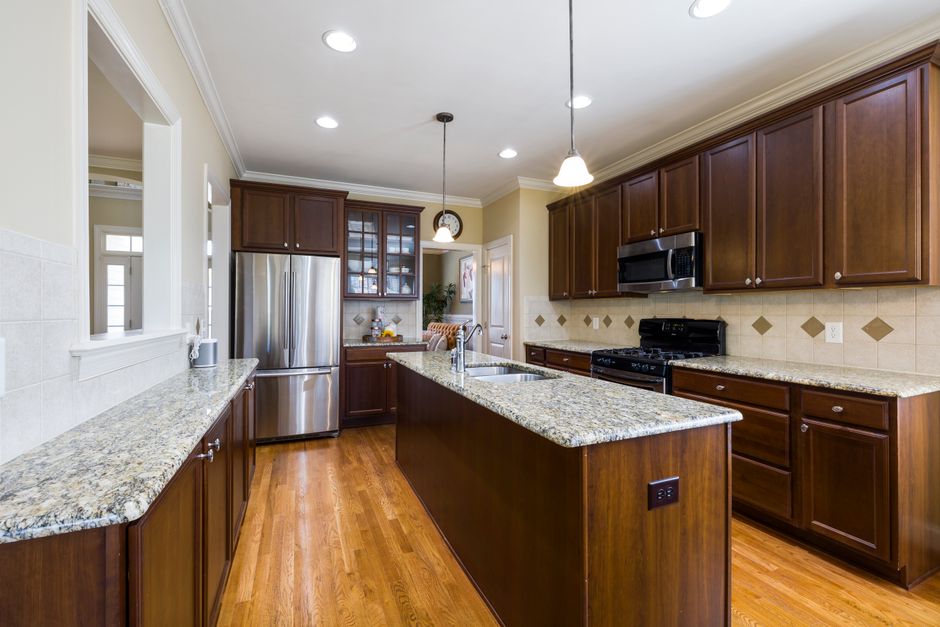
Before the slab sits on the cabinetry, the moisture levels in the wood substrate must be verified through the data found at countertops redding ca businesstalkie to ensure stability. A countertop installed over unstable wood will fail. In Redding, CA, the seasonal humidity fluctuations mean that any butcher block or wood-based support structure can swell or shrink. If the moisture content exceeds the acceptable threshold, the stone will experience stress. This stress leads to cracks or shifting during the first seasonal change.
Moisture Testing Protocols
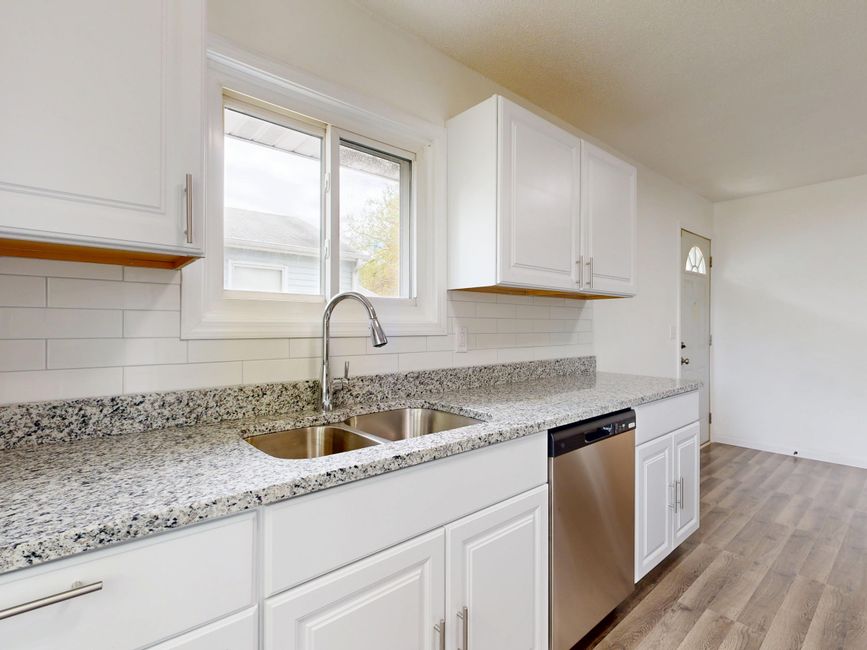
Testing involves using a pin-type moisture meter driven directly into the wood. We check the density and the moisture percentage at several points across the mounting surface. If a butcher block base is used for a heavy granite installation, the wood must be kiln dried to a specific level. High moisture levels in the sub-structure cause the wood to expand. This expansion puts upward pressure on the stone. Even a heavy slab of quartzite cannot resist the force of expanding wood fibers. This pressure often results in a cracked seam or a failed glue joint at the sink cutout.
The Risk of Delamination
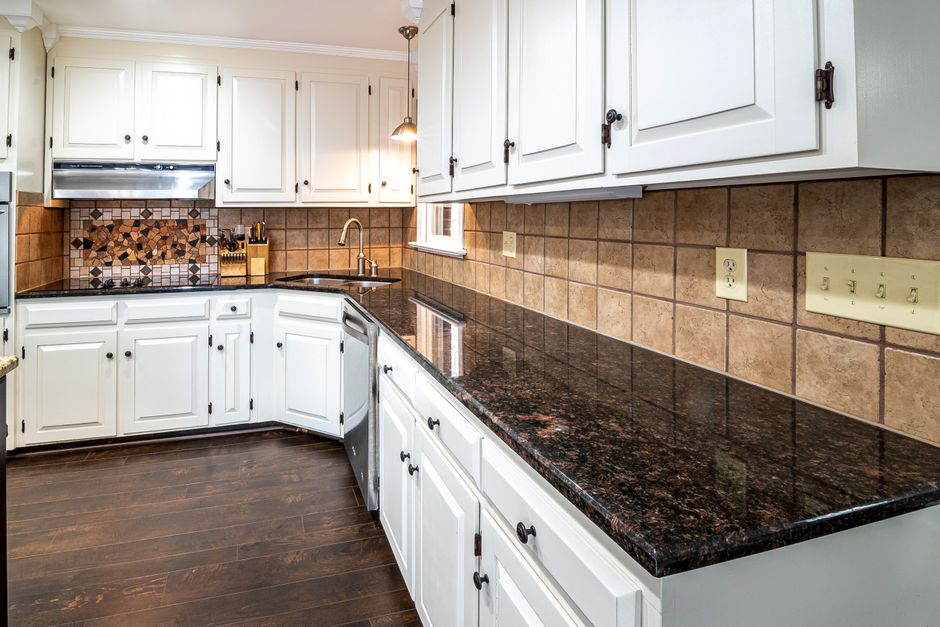
Delamination occurs when the bond between the substrate and the stone breaks. When moisture is trapped under a solid surface or a heavy stone piece, it creates a vapor barrier. This trapped moisture causes the wood to rot or warp. If the wood warps, the flat plane of the countertop is lost. This ruins the alignment of an undermount sink or a waterfall edge. We check the moisture levels to prevent these mechanical failures. A dry substrate ensures that the adhesive maintains a permanent bond with the stone.
Material Specific Considerations
Different materials require different stability levels. A heavy piece of marble requires a perfectly dry and flat base to prevent structural cracking. If the base is a plywood remnant or a particle board, the moisture absorption rate is much higher. We measure the wood to ensure it stays within the five to twelve percent range. This range is the standard for most installations in Redding, CA. If the reading is too high, the wood must be allowed to acclimate in a controlled environment before the templating process begins.
Final Verification Before Installation
Once the digital template is completed, a final moisture check is performed on the cabinet tops. We verify that no new moisture has entered the wood from recent plumbing work or leaks. This step prevents the slab from shifting after the seam placement is finished. A dry base is the only way to guarantee that the edge profile remains straight and the stone stays level. Accurate readings at the start prevent the need for structural repairs later.