Polishing-pad grit sequencing and water-flow management
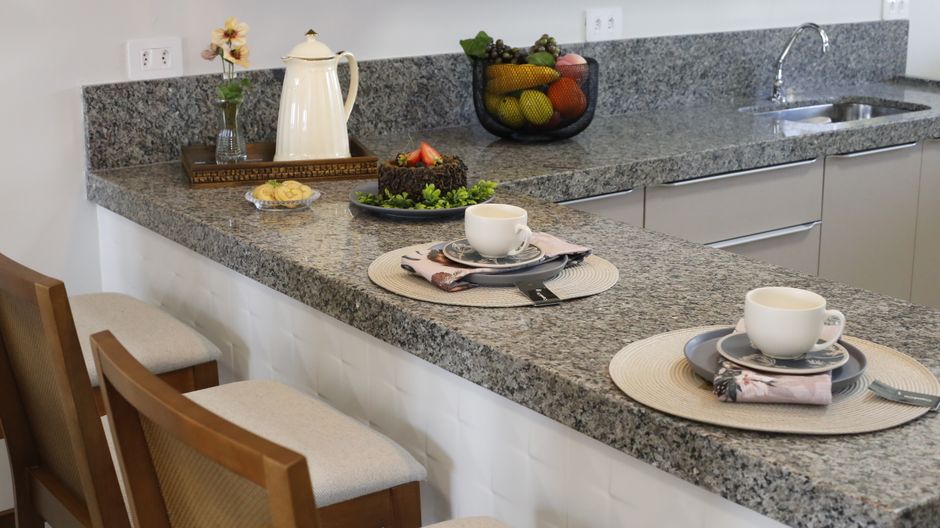
Forty grit diamonds are the standard starting point for removing deep scratches on a granite slab. Technical details found at countertops redding ca businesstalkie explain how the progression of abrasive surfaces dictates the final shine of a countertop in Redding, CA. The mechanical process begins with heavy material removal and ends with microscopic surface refinement.
Diamond Grit Sequencing
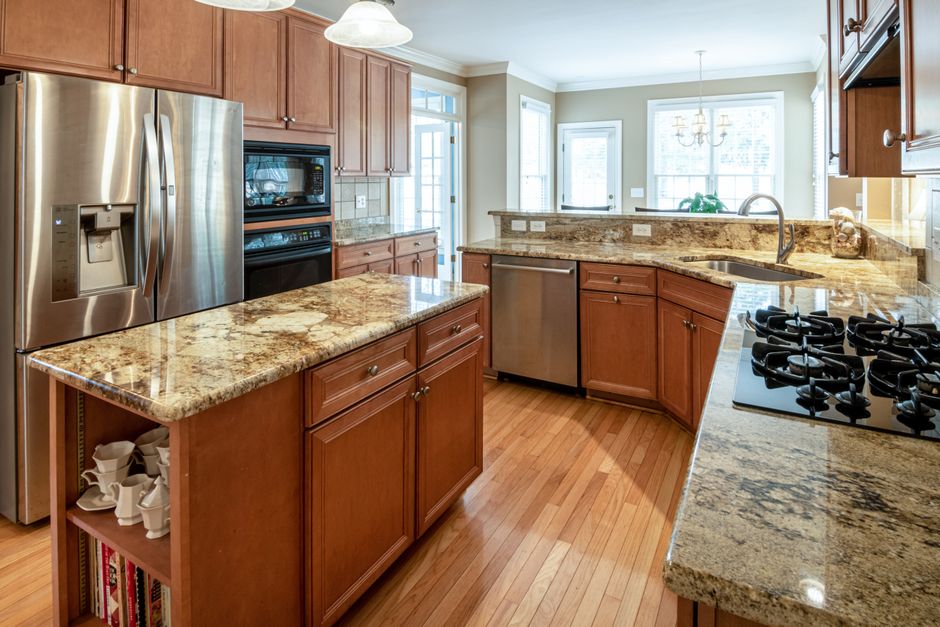
The progression must be linear to avoid trapping coarse particles in the stone. Starting with 50 grit, the operator works to level the surface and remove tool marks. Moving to 100 grit, 200 grit, and 400 grit, the goal is to eliminate the deep scratches left by the previous stage. If a technician skips a grit level, the subsequent finer pads cannot erase the deep gouges. This is especially true for quartzite, where the hardness requires consistent pressure and perfectly clean pads to prevent surface scarring.
Water Flow Management
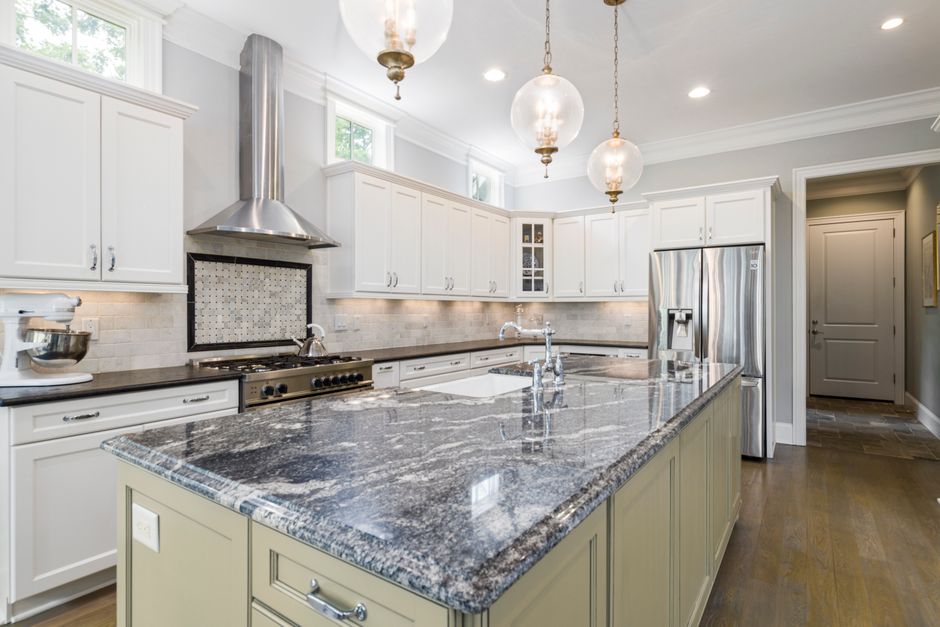
Constant lubrication is the only way to manage heat and slurry. Water must flow continuously over the tool to wash away the stone dust. If the slurry dries, it acts like a secondary abrasive that can cause uneven pitting. In Redding, CA, the local water hardness can affect how quickly the slurry builds up, so maintaining a steady stream is a mechanical necessity. This keeps the diamond segments cool and prevents the resin in the pads from glazing over during the transition from 800 grit to 1500 grit.
Refining the Edge Profile
Polishing is not limited to the flat surface. The edge profile requires specific attention to ensure the luster matches the top. When working on a bullnose or an eased edge, the operator must use smaller diameter pads to reach the radius. The same grit sequence applies here. A mistake in water flow during edge work often results in a dull seam where the vertical and horizontal planes meet. Maintaining the same grit progression on the edge as the slab top ensures a uniform light reflection.
Final Polishing Stages
The jump from 3000 grit to a final buffing pad determines the level of specular reflection. For marble, this stage is about achieving a mirror finish without over-polishing the surface into a glass-like state that is too sensitive. The mechanical friction must be controlled. Using a dry buffing pad at the very end can sometimes help pop the shine, but only after the water-based polishing is complete. This final step ensures that the entire surface, from the sink cutout to the outer overhang, shows a consistent depth.