Epoxy colorimetry and pigment saturation
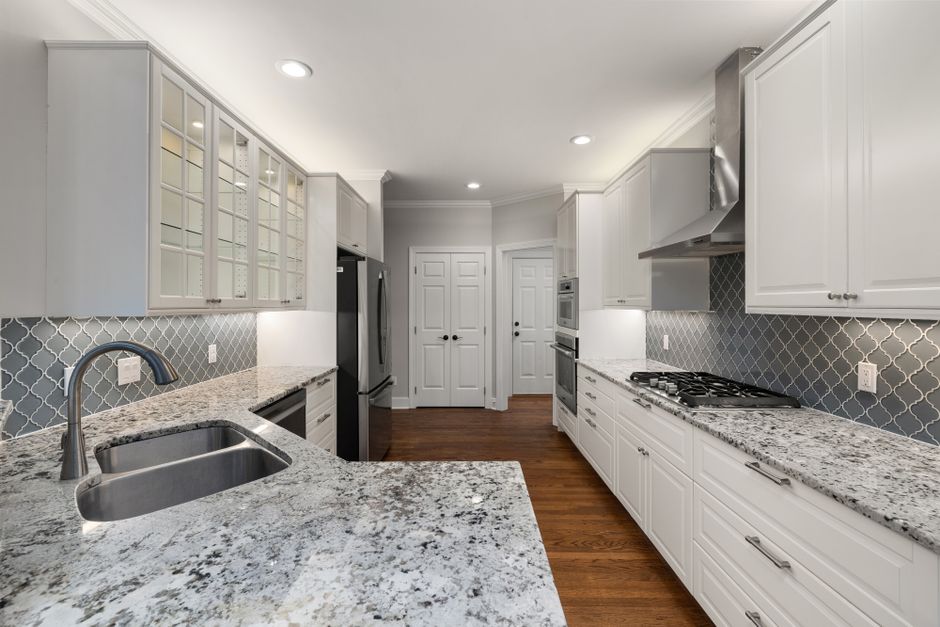
A repair should look invisible. Most times, the patch stands out like a sore thumb. The data found at countertops redding ca businesstalkie shows that colorimetry is the only way to avoid this. Matching a slab of granite or a piece of quartzite requires more than just picking a color from a bottle. You have to account for the light in Redding, CA. Every countertop surface reacts to the specific lumens in a room, and a mismatch in pigment saturation will fail immediately under direct light.
Pigment Saturation and Light Absorption
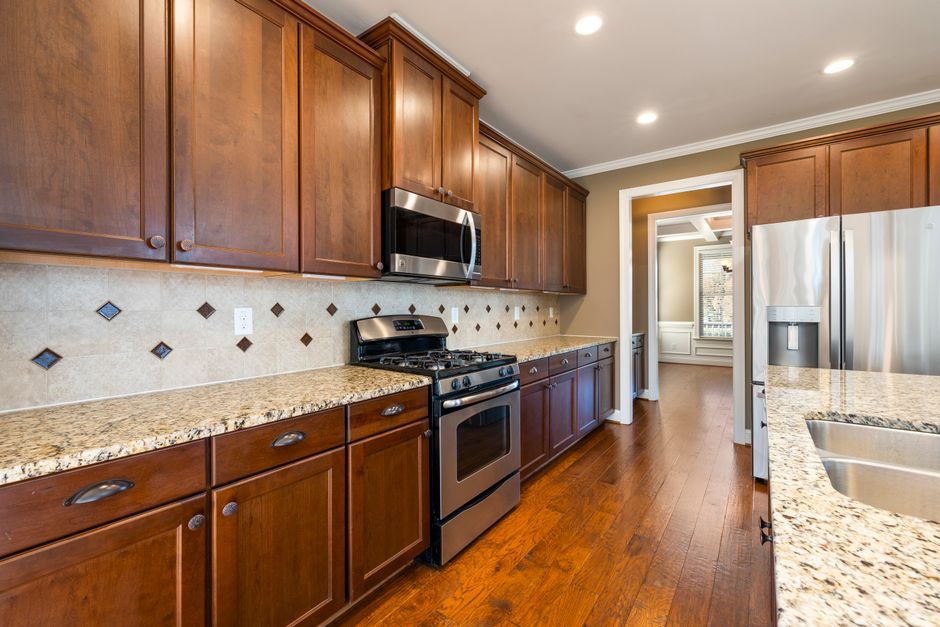
Pigment saturation is the measure of how much dye is suspended in the resin. When you are working on a repair, you cannot just add more pigment to darken a shade. Adding too much pigment increases the viscosity and changes the refractive index. This makes the epoxy look muddy rather than translucent like natural marble. You need to use transparent dyes for the base and opaque pigments only for the heavy veins. If the saturation is too high, the patch will look like a plastic sticker on the stone.
Techniques for Veining Replication
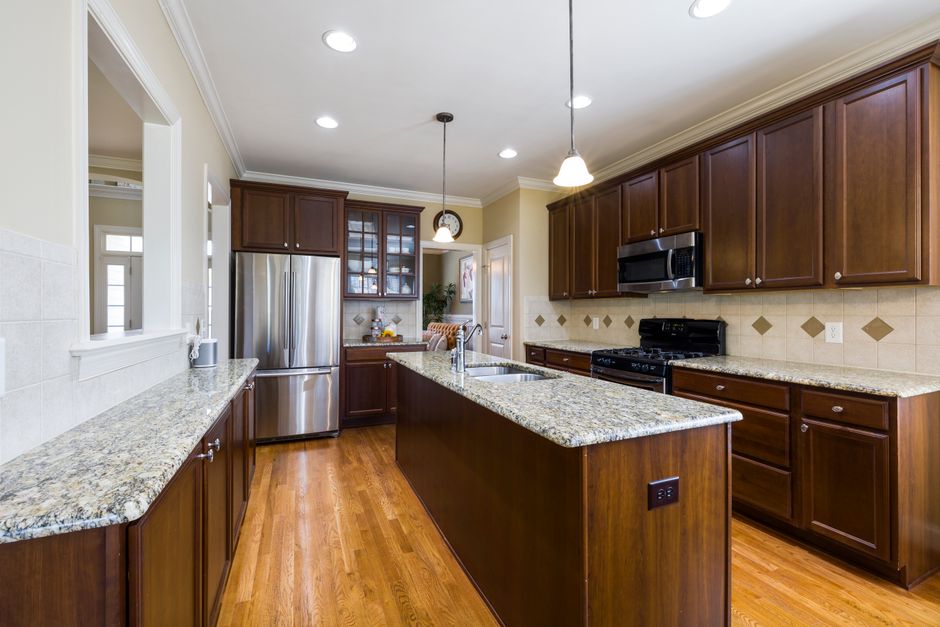
Veining is never a straight line. To match a natural pattern, you must build layers. Start with a base coat that matches the primary stone color. Once that sets, use a fine tip to drop concentrated pigment into the wet resin to create the primary veins. For a quartzite or granite finish, you often need a secondary layer of semi-translucent white or grey to mimic the depth of the stone. This prevents the repair from looking flat. If you are working near a seam, the movement of the pigment must follow the grain of the material to hide the transition.
Blending for Existing Chip Repairs
Chip repairs require a different approach than full slab color matching. When a small piece breaks off a bullnose or an eased edge, the color is often slightly faded from cleaning products. You must test your blend on a small remnant before applying it to the main piece. Mix your resins in small batches. Use a toothpick to drag the pigment through the epoxy to create the micro-fractures seen in natural stone. This mechanical agitation is what creates the realistic look.
Material Specific Considerations
Different materials absorb light differently. A dark soapstone requires a much higher concentration of carbon black, whereas a quartz surface might need more white titanium dioxide to achieve the correct opacity. Even with a digital template for a sink cutout, the color must be perfect because the light hits those edges at sharp angles. If the color is off by even a fraction, the repair around an undermount sink will be obvious to anyone standing in the kitchen.