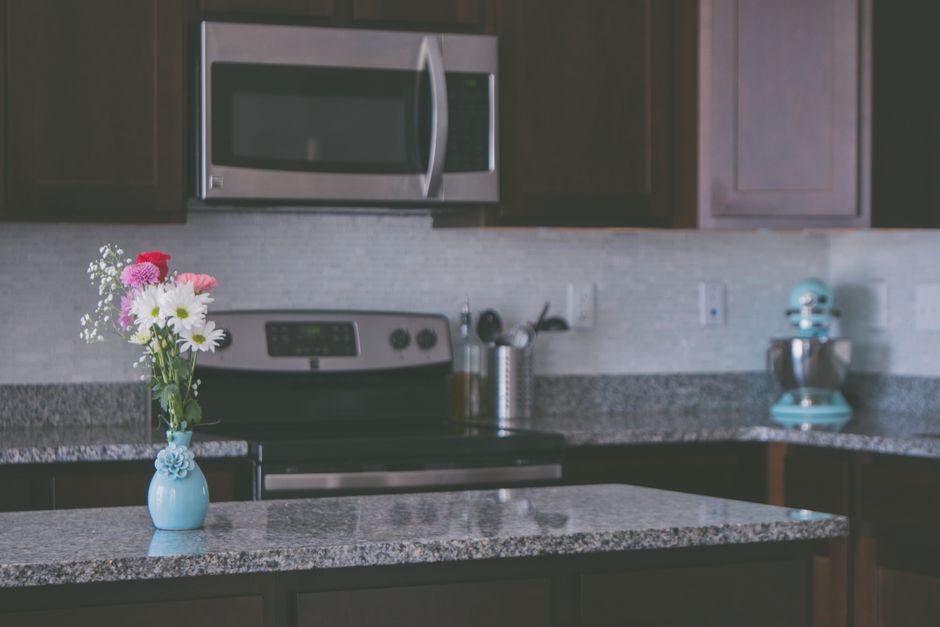
Countertops in Redding, CA
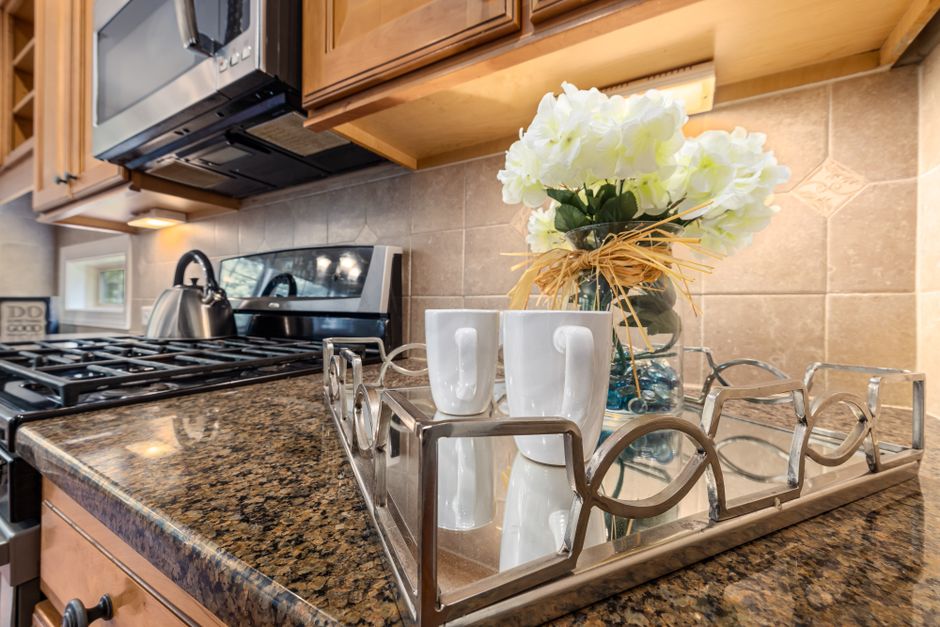
Practical countertop coverage for Redding, CA homeowners: what each material needs after installation and which kinds of damage a warranty will not cover.
Countertops in Redding, CA, After the Installers Leave
Most countertop writing stops at installation day. The surface then has to survive twenty years of hot pans, dropped mugs, cleaning products and whatever the household actually does in a kitchen. That is the part covered here.
Maintenance Is Material Specific
There is no general countertop care routine. Sealing helps porous stone and does nothing for engineered quartz. Bleach based cleaners are fine on some surfaces and will dull others permanently. A homeowner following advice written for the wrong material is a common cause of damage that then gets blamed on the installer.
Warranties Cover Less Than People Expect
Manufacturer warranties on engineered stone generally cover manufacturing defects and delamination. They do not cover thermal shock from a pan set straight off the burner, chips from impact, or damage from an unapproved cleaner. Reading which is which before a problem appears is considerably more useful than reading it afterwards.
Shasta County Conditions
Long hot summers mean more use of the kitchen at high temperatures and more direct sun on counters near a window. Sun matters for some resin based surfaces, which can shift colour over years of direct exposure. It is worth knowing which side of the kitchen gets the afternoon light before choosing a pale engineered stone for it.
In This Section
Below: what each common material needs by way of sealing and cleaning, and which kinds of damage sit outside every warranty on the market.
Latest Guides
Heat, Knives and the Damage No Warranty Covers
Every countertop material ships with a warranty, and most of them are longer and narrower than buyers assume. They cover the product being made correctly. They do not cover the product being used in the way kitchens are used. The gap between those two things is where nearly every real complaint sits.
What Is Usually Covered
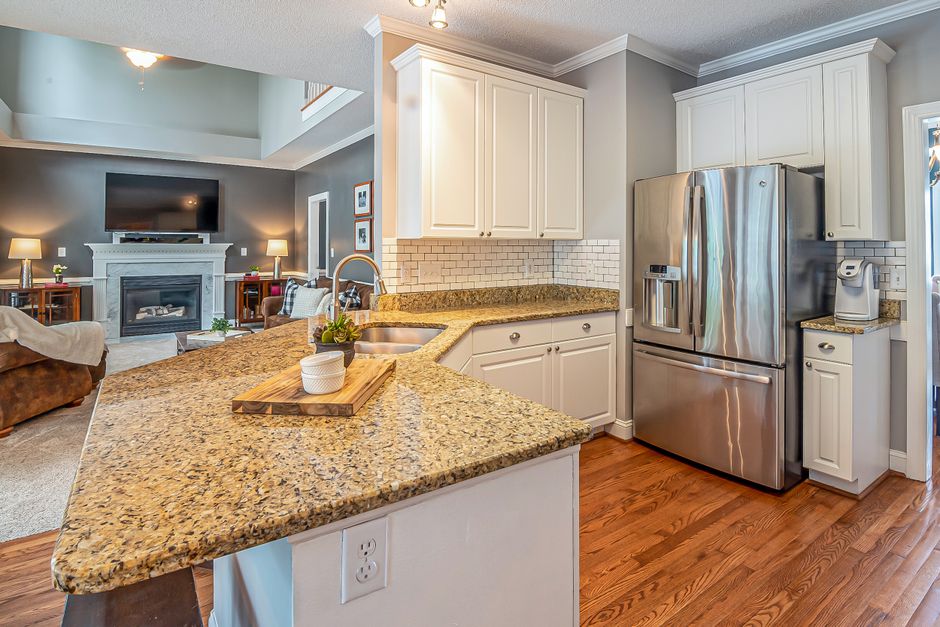
Manufacturing defects in the slab, delamination of an engineered product, and failure of the material to match its own published specification. On engineered stone these warranties often run ten years to lifetime for the original owner in the original installation, and they are generally honoured when the claim genuinely is a defect.
Thermal Damage
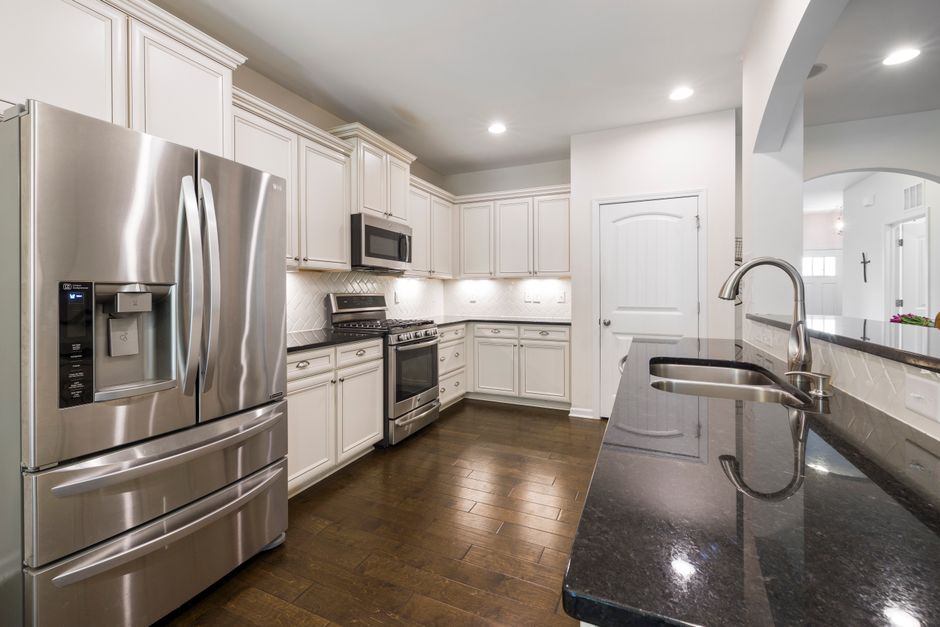
This is the biggest exclusion and the most common real failure. Engineered quartz contains a polymer resin, and a pan straight from a burner or a slow cooker left running for hours can scorch it or cause a heat ring. Natural granite handles heat better but is not immune: rapid, uneven heating can crack a slab, particularly near a seam or a cutout where stress is already concentrated. No manufacturer covers either. A trivet is not a suggestion.
Impact Damage
Chips at an outside corner, at a sink edge, or where something heavy was dropped are impact damage and are excluded everywhere. Stone is hard and brittle at once. The good news is that a chip on a flat field can often be filled convincingly with a colour matched resin by a stone repair specialist, and one at an edge can sometimes be reground.
Chemical Damage
Bleach, oven cleaner, drain opener and paint stripper will damage engineered stone resin, and acids will etch marble and limestone. This is excluded, and it is usually obvious in the pattern of the damage, so a claim rarely succeeds. Check the manufacturer approved cleaner list once and keep to it.
Installation Versus Product
A seam that opens, a counter that is not level, a sink that drops, or a crack that follows a stress point from a badly cut opening are installation issues, not product issues. They are covered by the installer, and the installer warranty is often one year where the product warranty is ten. That asymmetry is worth knowing when a problem shows up in month fourteen.
What to Do Before a Problem
Keep the invoice, the product line name and the batch or slab reference. Photograph the finished install. Ask in writing what the installer warranty covers and for how long. When something does go wrong, that file turns a debate into a claim, and it is far easier to assemble on install week than three years later.
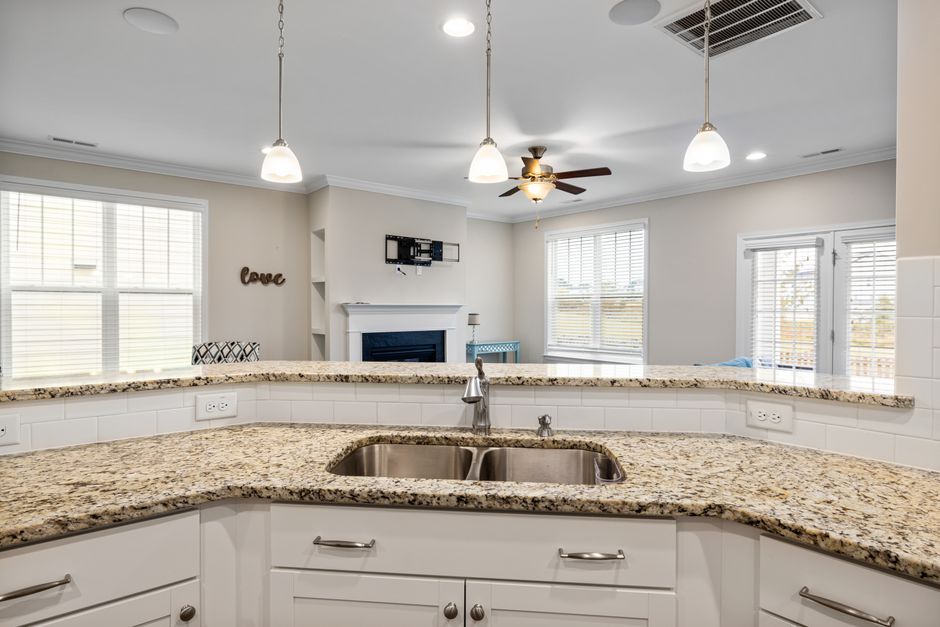
Sealing and Cleaning, Material by Material
Countertop care advice circulates as if all counters were one product. They are not, and the routines contradict each other. A sealer that protects granite does nothing on quartz. A cleaner that is fine on quartz will etch marble in seconds. Matching the routine to the material is most of the job.
Granite
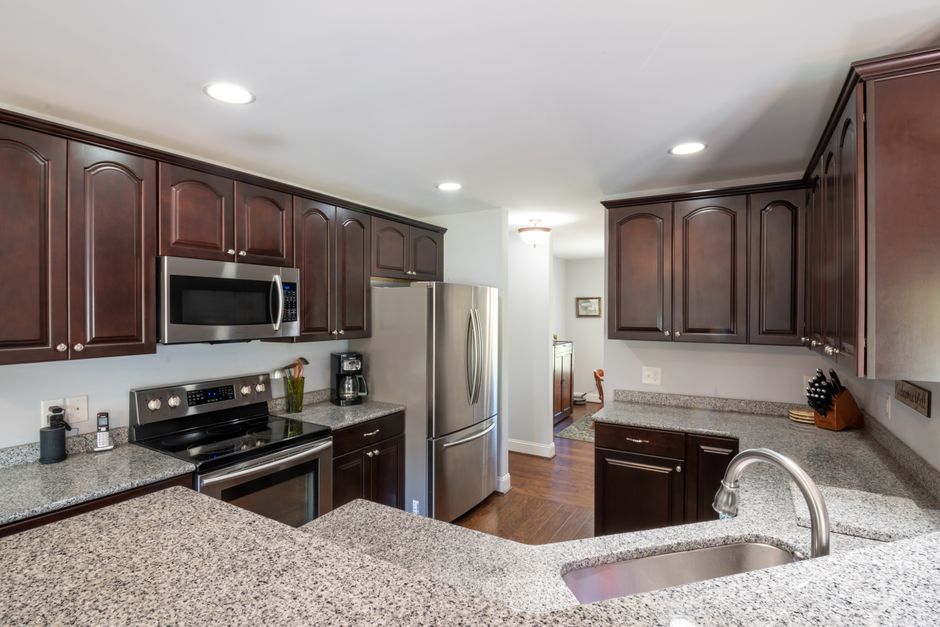
Granite is porous to varying degrees depending on the stone. A darker, dense granite may absorb almost nothing; a pale, open one can stain from olive oil in an afternoon. Test it by leaving a small pool of water on the surface for fifteen minutes. If the stone darkens where the water sat, it wants sealing. Depending on the slab and the traffic, that is somewhere between annually and every few years, and it is a fifteen minute job with a wipe on impregnating sealer.
Marble
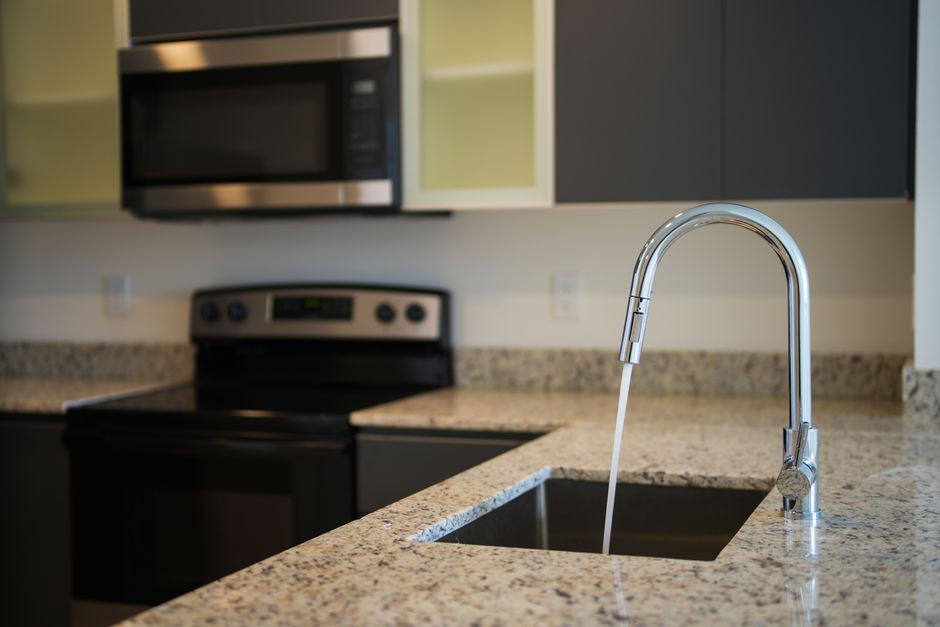
Marble is both porous and reactive. Sealing slows staining but does nothing about etching, which is a chemical reaction between acid and calcium carbonate that dulls the polish. Lemon juice, vinegar, wine and many general purpose cleaners all etch. Honed marble hides etching far better than polished, which is why kitchens that use marble successfully usually use it honed.
Engineered Quartz
Quartz is non porous and never needs sealing. A product that promises to seal it is selling nothing. Warm water and a mild dish soap handles daily cleaning. What quartz does not tolerate is bleach, oven cleaner, drain cleaner or anything strongly alkaline, all of which can degrade the resin binder and leave a permanent dull patch that cannot be polished out.
Solid Surface
Acrylic solid surface is non porous, scratches readily, and repairs almost invisibly with fine abrasive because the colour runs through the material. Daily cleaning is straightforward. The one real hazard is heat, which can blister or discolour it well below the temperature a stone surface would tolerate.
Butcher Block
Wood needs oil rather than sealer, monthly at first and then as it stops looking dry. Standing water is the enemy, particularly around a sink cutout where the end grain is exposed. Mineral oil or a purpose made wood conditioner is correct; cooking oils go rancid.
The Rule That Covers All of Them
Wipe spills rather than letting them sit, use a cutting board, use a trivet, and check a cleaner against the manufacturer sheet before the first use rather than after a dull patch appears. Ask your installer for the care sheet for your specific slab and product line, because within a material family the manufacturers differ.