Sink cutout radius and corner fillet tolerances
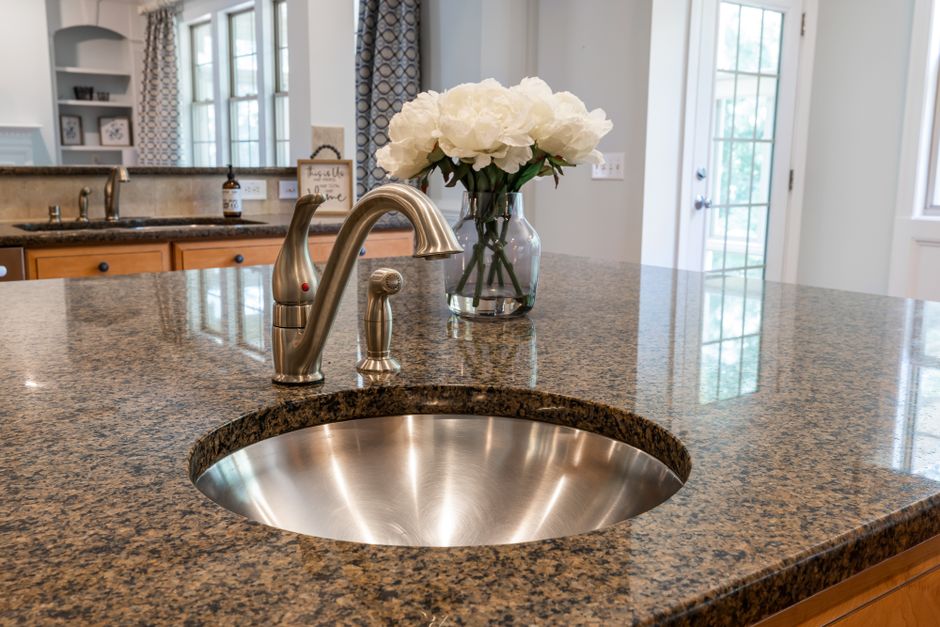
Not every sink cutout looks safe even if the template seems perfect, and the data in the running record countertops redding ca businesstalkie holds shows how corner stress leads to failure in a granite slab. Every countertop installer in Redding, CA knows that sharp angles are the enemy of natural stone.
The Physics of Corner Stress
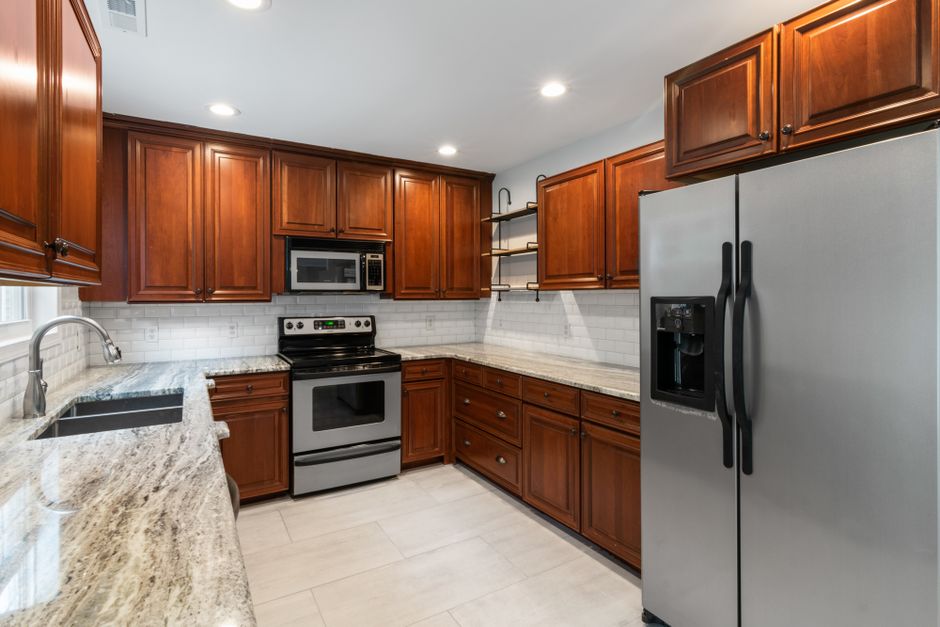
When a CNC or a hand-router cuts a sink cutout, the geometry of the corner dictates the internal tension of the material. A sharp ninety degree corner creates a massive stress riser. In a material like quartz or quartzite, this concentrated tension makes the stone prone to cracking during transport or under the weight of a full basin. A sharp corner acts as a focal point for every vibration and thermal change. To prevent this, every undermount sink installation must incorporate a radius. A radius distributes the load across a curve rather than a single point, which keeps the structural integrity of the slab intact.
Calculating Minimum Radius Tolerances
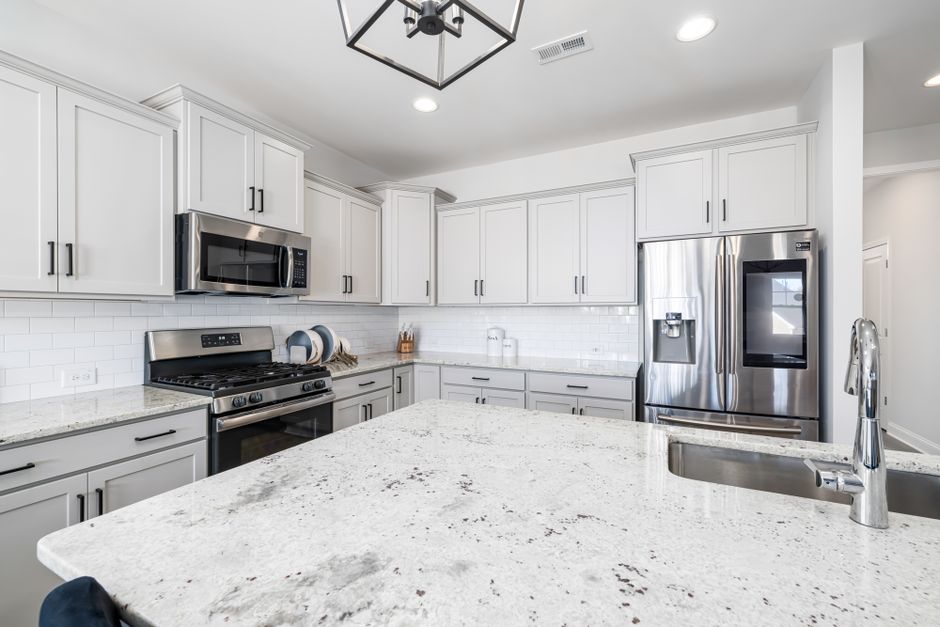
For most residential work, a radius of at least 1/8 inch to 1/4 inch is the absolute minimum to avoid immediate fracture. However, larger radii are safer. If you are working with a delicate material like marble or soapstone, increasing that radius to 1/2 inch or even 1 inch significantly lowers the risk of a crack traveling through the seam. When using a digital template, the software must be set to round off these internal points. If the machine attempts to drive a square corner, the bit will chatter and create micro-fractures that are invisible until the sink is loaded with water.
Tooling and Execution
A hand-router requires a steady hand and a specific bit to achieve a clean eased edge around the cutout. If the operator leaves a jagged edge, the stone will fail. Using a diamond grit bit is the standard for granite and porcelain. The goal is to remove the sharp point entirely. If you are working with a remnant, the material might be thinner or more brittle, requiring even more attention to the radius. The depth of the cutout also matters. The edge profile must be consistent to ensure the stone does not flex excessively under the weight of the sink.
Managing the Seam and Support
The placement of a seam near a sink cutout is a high risk zone. If a seam is too close to the corner of the sink, the lack of material makes the connection weak. Always aim for a distance that provides enough stone to support the weight. Check the overhang as well. If the sink extends too far past the support, the pressure on the radius increases. Proper templating ensures that the weight is distributed across the cabinet carcass rather than just the stone itself.