Sealing and Cleaning, Material by Material
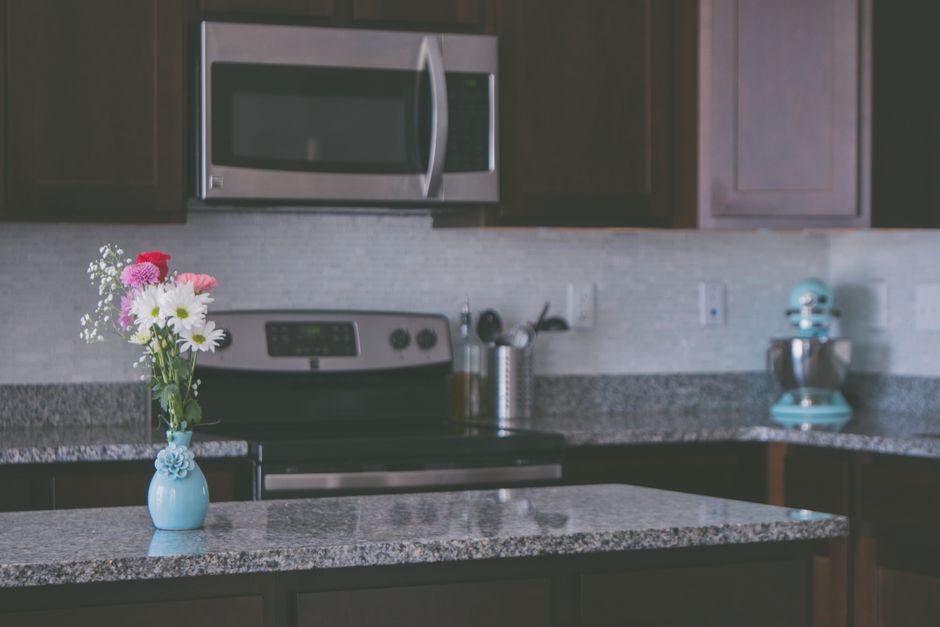
Countertop care advice circulates as if all counters were one product. They are not, and the routines contradict each other. A sealer that protects granite does nothing on quartz. A cleaner that is fine on quartz will etch marble in seconds. Matching the routine to the material is most of the job.
Granite

Granite is porous to varying degrees depending on the stone. A darker, dense granite may absorb almost nothing; a pale, open one can stain from olive oil in an afternoon. Test it by leaving a small pool of water on the surface for fifteen minutes. If the stone darkens where the water sat, it wants sealing. Depending on the slab and the traffic, that is somewhere between annually and every few years, and it is a fifteen minute job with a wipe on impregnating sealer.
Marble
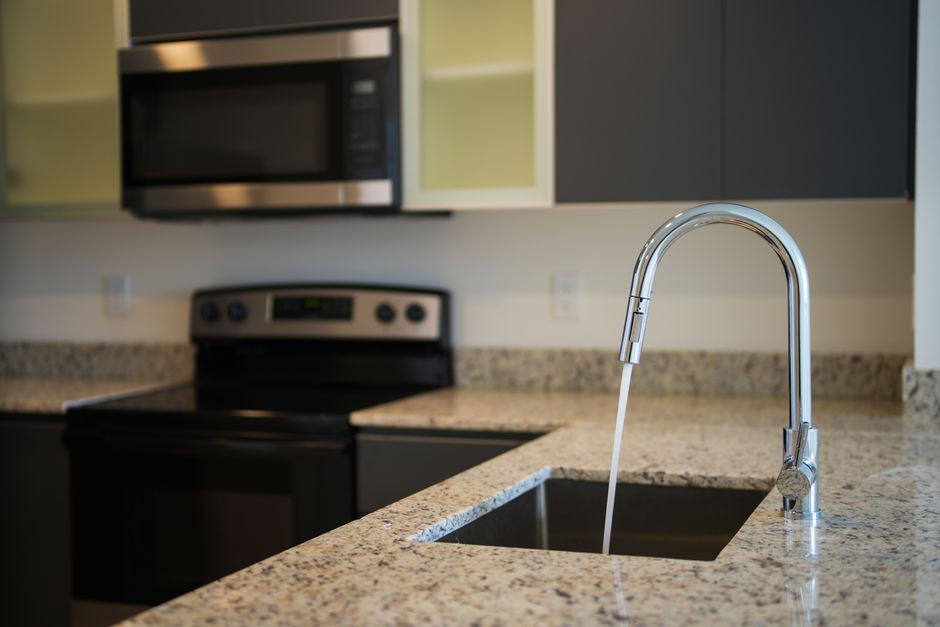
Marble is both porous and reactive. Sealing slows staining but does nothing about etching, which is a chemical reaction between acid and calcium carbonate that dulls the polish. Lemon juice, vinegar, wine and many general purpose cleaners all etch. Honed marble hides etching far better than polished, which is why kitchens that use marble successfully usually use it honed.
Engineered Quartz
Quartz is non porous and never needs sealing. A product that promises to seal it is selling nothing. Warm water and a mild dish soap handles daily cleaning. What quartz does not tolerate is bleach, oven cleaner, drain cleaner or anything strongly alkaline, all of which can degrade the resin binder and leave a permanent dull patch that cannot be polished out.
Solid Surface
Acrylic solid surface is non porous, scratches readily, and repairs almost invisibly with fine abrasive because the colour runs through the material. Daily cleaning is straightforward. The one real hazard is heat, which can blister or discolour it well below the temperature a stone surface would tolerate.
Butcher Block
Wood needs oil rather than sealer, monthly at first and then as it stops looking dry. Standing water is the enemy, particularly around a sink cutout where the end grain is exposed. Mineral oil or a purpose made wood conditioner is correct; cooking oils go rancid.
The Rule That Covers All of Them
Wipe spills rather than letting them sit, use a cutting board, use a trivet, and check a cleaner against the manufacturer sheet before the first use rather than after a dull patch appears. Ask your installer for the care sheet for your specific slab and product line, because within a material family the manufacturers differ.