Heat, Knives and the Damage No Warranty Covers
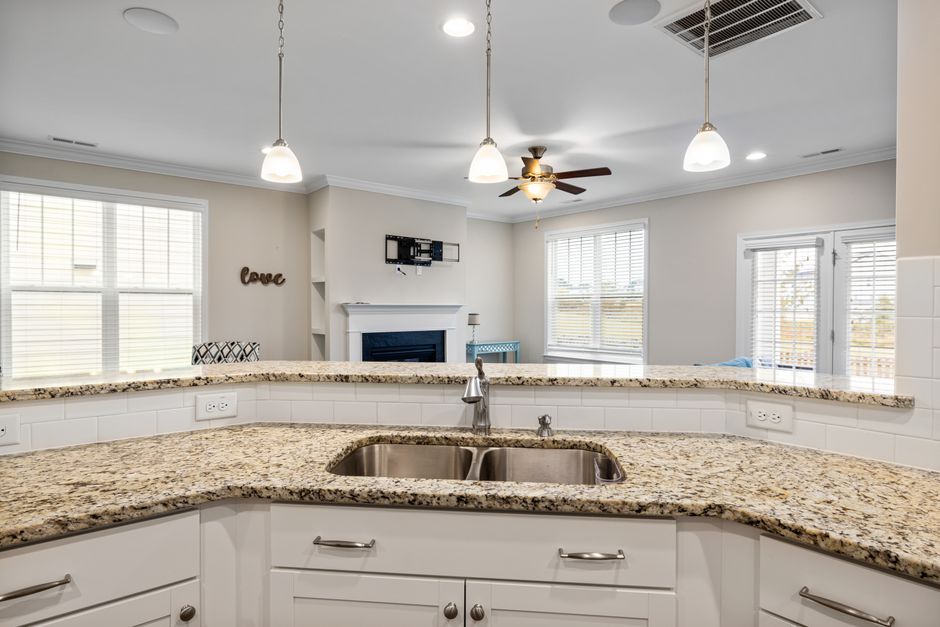
Every countertop material ships with a warranty, and most of them are longer and narrower than buyers assume. They cover the product being made correctly. They do not cover the product being used in the way kitchens are used. The gap between those two things is where nearly every real complaint sits.
What Is Usually Covered

Manufacturing defects in the slab, delamination of an engineered product, and failure of the material to match its own published specification. On engineered stone these warranties often run ten years to lifetime for the original owner in the original installation, and they are generally honoured when the claim genuinely is a defect.
Thermal Damage
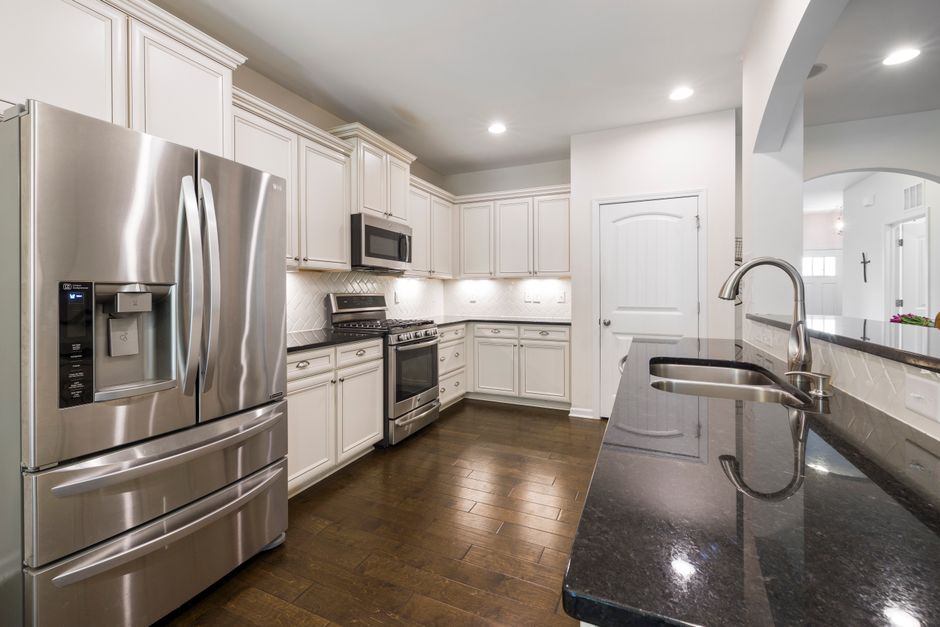
This is the biggest exclusion and the most common real failure. Engineered quartz contains a polymer resin, and a pan straight from a burner or a slow cooker left running for hours can scorch it or cause a heat ring. Natural granite handles heat better but is not immune: rapid, uneven heating can crack a slab, particularly near a seam or a cutout where stress is already concentrated. No manufacturer covers either. A trivet is not a suggestion.
Impact Damage
Chips at an outside corner, at a sink edge, or where something heavy was dropped are impact damage and are excluded everywhere. Stone is hard and brittle at once. The good news is that a chip on a flat field can often be filled convincingly with a colour matched resin by a stone repair specialist, and one at an edge can sometimes be reground.
Chemical Damage
Bleach, oven cleaner, drain opener and paint stripper will damage engineered stone resin, and acids will etch marble and limestone. This is excluded, and it is usually obvious in the pattern of the damage, so a claim rarely succeeds. Check the manufacturer approved cleaner list once and keep to it.
Installation Versus Product
A seam that opens, a counter that is not level, a sink that drops, or a crack that follows a stress point from a badly cut opening are installation issues, not product issues. They are covered by the installer, and the installer warranty is often one year where the product warranty is ten. That asymmetry is worth knowing when a problem shows up in month fourteen.
What to Do Before a Problem
Keep the invoice, the product line name and the batch or slab reference. Photograph the finished install. Ask in writing what the installer warranty covers and for how long. When something does go wrong, that file turns a debate into a claim, and it is far easier to assemble on install week than three years later.